


A Practical Guide to OARS: Help People Help Themselves
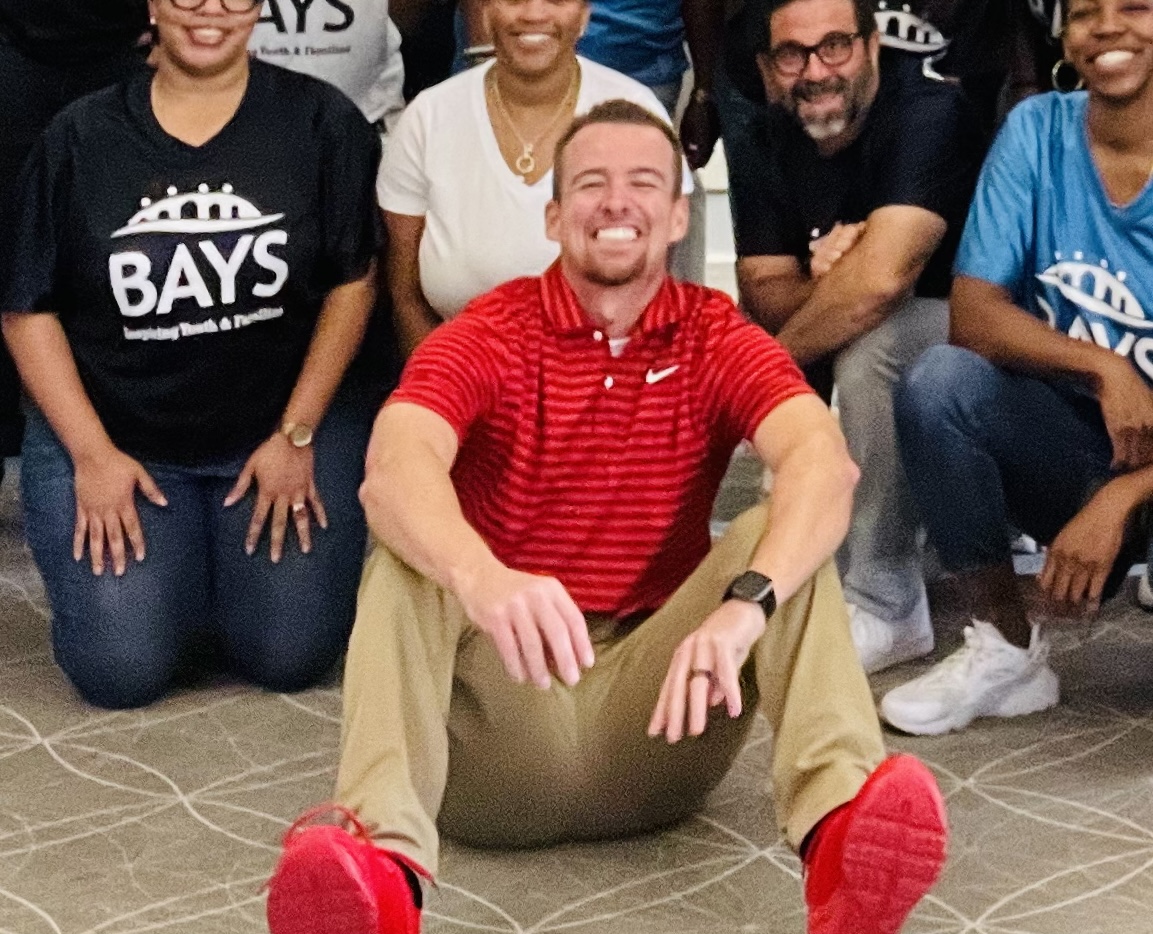
I was trained in Motivational Interviewing almost 20 years ago, and it still remains the foundation of how I communicate for change. Whether you work in child welfare, healthcare, workforce development, education, or community support, these skills help people feel heard and understood. They also increase engagement and motivation, which is the heart of MI.
Here is a short and practical blog to help you help others through OARS.
O — Open-Ended Questions
Open-ended questions invite people to talk. They create space for real conversation and help you understand what matters most.
Useful Prompts
“Tell me about…”
“Describe…”
“Help me understand…”
“What has been going on with…?”
“What does that look like for you?”
“In what ways…?”
When to Use -
Use open-ended questions to explore values, motivation, or concerns.
Example
Client says, “I want to get back on track.”
You respond, “What is motivating you to consider refocusing on this goal now?”
This helps the client connect the change to their own reasons, not yours.
When Not to Use -
Avoid open-ended questions when someone is overwhelmed or emotionally activated.
Example
If a client is visibly frustrated or crying, asking “What do you think needs to happen to fix things?” puts pressure on them to problem-solve before they feel supported.
A simple reflection such as “You are carrying a lot right now” meets them where they are.
A — Affirmations
Affirmations highlight strengths, effort, and resilience. They help people recognize their own abilities and build confidence for change.
Examples -
“You’ve been working hard on this.”
“You’re showing real commitment to your family.”
“You handled that situation with patience.”
When to Use -
Use affirmations when you want to reinforce effort or highlight a strength.
Example
Client says, “I showed up even though I didn’t want to.”
You respond, “That shows persistence, especially on a difficult day.”
When Not to Use -
Avoid affirmations that feel generic or mismatched with the client’s emotional state.
Example
Client says, “I feel like I keep failing.”
Responding with “You’re doing great” can feel dismissive.
A better response is, “You haven’t given up, even when it has been hard, and that says a lot about you.”
R — Reflections
Reflections show that you are listening and help people hear their own thoughts more clearly. They reduce resistance and deepen understanding.
Examples -
“You’re feeling overwhelmed.”
“Part of you wants things to change, and part of you is unsure where to begin.”
When to Use -
Use reflections when someone expresses emotion or ambivalence.
Example
Client says, “I keep messing up, and I’m tired of it.”
You respond, “You’re exhausted from trying to manage this on your own.”
When Not to Use -
Avoid reflections that add meaning the client never offered.
Example
Client says, “I missed the appointment again.”
Responding with “You’re afraid of failing” adds an interpretation they did not express and may harm trust.
S — Summaries
Summaries gather important pieces of the conversation and present them back in a clear, organized way. They help the person feel understood and create a natural transition point.
Examples -
“Let me make sure I’m understanding…”
“Here’s what I’ve heard so far…”
“Before we move on, let me summarize the main points…”
When to Use -
Use summaries to transition, reinforce motivation, or clarify next steps.
Example
You might say, “You want more stability for yourself, more consistency for your kids, and you’re ready to take a small step today. Did I get that right?”
When Not to Use -
Avoid summarizing too early or at the wrong emotional moment.
Example
If someone is in the middle of expressing something painful, stepping in with “Let me summarize” can feel like shutting down their story.
Give them room first.
Using OARS Together
A simple MI flow looks like this
Start with an open-ended question
Reflect what you hear
Affirm strengths
Summarize before moving forward
This approach builds trust and supports meaningful behavior change in any setting.
Want More MI Tools
OARS remains one of the most effective communication strategies for client engagement and behavior change. If your team wants virtual or in-person Motivational Interviewing training, visit Speak4MC.com to learn more.
Disclaimer
The views expressed in this blog are solely those of the author and do not represent any other individual, organization, or company. This content is intended for general knowledge and to highlight tools, techniques, and ideas that inspire positive change. Readers are encouraged to explore the topics further and form their own conclusions.



Nay trời nóng quá nên mình cứ hay liếc nhiệt độ cho đỡ đoán mò. https://thoitiethomnay.org/ mình mở ra kiểu “xem nhanh thôi” mà cuối cùng lại đứng lại đọc thêm vì trang bày gọn gàng, nhìn phát thấy ngay nhiệt độ hiện tại 30°C với cả “cảm giác như” cao hơn nên biết liền vì sao ra ngoài thấy hầm hập. Mình thích cái chỗ chọn tỉnh/thành đặt rõ ràng, đang quan tâm khu nào thì nhảy qua đó cái rẹt, khỏi phải cuộn tìm, mà số liệu còn cập nhật trong ngày nên sáng xem một kiểu, chiều quay lại thấy đã khác rồi, đỡ cảm giác xem xong là bỏ. Nói chung dùng để liếc nhanh ổn,…
tỷ lệ kèo nhà cái mình thấy bạn bè hay nhắc nên cũng ghé thử cho biết, kiểu tò mò thôi chứ không định ngồi soi sâu. Vào cái là mình để ý giao diện nhìn khá thoáng, chia từng khối nội dung rõ ràng nên lướt nhanh vẫn nắm được ý chính, không bị rối mắt. Mình thích nhất là mấy bảng số liệu họ trình bày theo cột gọn gàng, nhìn phát là bắt được con số cần xem, khỏi phải kéo qua kéo lại hay căng mắt dò từng dòng. Menu cũng để chỗ dễ thấy, bấm qua lại mượt, không bị lạc. Nói chung cảm giác dùng nhẹ nhàng, nhất là cách họ chia khối và…