


When People Spend Their Sunday With You, You Better Bring Good Content
Reflections from the SETA Florida Conference
When people spend their Sunday with you at a conference, you'd better bring something worth their time.
They could be at the pool.
They could be at Universal Studios.
They could be relaxing.
Instead, they walked into a conference room and chose to invest in learning.
That was the emotion of the day for me.
Gratitude.
Because the people in that room weren’t just conference attendees. They were professionals who spent their careers helping others move forward. Workforce leaders. Career coaches. Program staff.
People who help people.
And when a room like that chooses to spend its Sunday learning with you, it raises the bar.
You owe them something meaningful.

Watching People Step Outside Their Comfort Zone
One of the most memorable moments of the workshop came from the volunteers.
Throughout the session, people raised their hands to come up on stage.
We had volunteers participate in introduction exercises, persuasive pitch activities, and several communication challenges.
After the session, a few of those same volunteers shared something surprising.
They told me they struggle with confidence speaking in front of groups.
Think about that.
People who said they lack confidence had just walked up in front of a room full of professionals and participated anyway.
That’s courage.
Sometimes growth doesn’t happen when everything feels comfortable. It happens when we take a small step outside our comfort zone and realize we’re capable of more than we thought.

The Spotlight Effect
So what did we actually talk about in that room on a Sunday?
Let me share a few of the ideas that sparked the most conversation.
We talked about something called the Spotlight Effect.
It’s the psychological tendency to believe everyone is noticing our mistakes far more than they actually are.
You replay the moment you stumbled over a word.
You think the entire room noticed.
Meanwhile, the audience is focused on the message.
When people understand this concept, something shifts. They stop chasing perfection and start focusing on connection.
And that’s when communication becomes powerful.
So remember, the next time you’re about to raise your hand in a meeting, share a story about a client, or step up to the front of the room, don’t let the Spotlight Effect keep you in your seat.
The moment you’re worried about probably won’t be remembered. But the moment you choose to speak up might be.
Turning Communication into a Tool
After we warmed up the room and broke the ice, we moved into something more practical.
How do we actually communicate in a way that influences people?
That’s where three classic principles come in.
Ethos. Pathos. Logos.
These ideas have been used in persuasion for thousands of years, but they’re just as relevant today for leaders, workforce professionals, and anyone working with people.
But instead of just talking about them, we practiced them.
Ethos: Building Credibility
Ethos answers one simple question.
Why should someone trust you?
In the session, we ran a quick exercise where volunteers had to pitch an idea using their credibility.
Here are some examples.
Instead of saying:
“We should implement a new intake system.”
Someone might say:
“As someone who started on the front line working directly with participants, I remember how frustrating it was when clients had to repeat their story three different times. That’s why I support a shared intake system.”
Or.
Instead of saying:
“I think it’s important for families to stay engaged with programs like this so they can support their children’s success.”
Someone might say:
“As a parent of two kids myself, I know how overwhelming it can feel to navigate systems and try to make the right decisions for your family. That’s why programs like this matter.”
Same idea.
But now credibility is attached to the message.
Ethos reminds us that people don’t just listen to ideas.
They listen to people they trust.
Pathos: Creating Connection
Pathos focuses on emotion.
Facts are important, but emotion helps people care.
One example we discussed was how workforce professionals talk about their programs.
You could say:
“Our program increased employment outcomes by 20%.”
That’s good information.
But imagine saying this instead:
“Three months ago, a participant in our program told me she had never had a full-time job before. Last week, she came back to our office just to tell us she signed her first apartment lease.”
Same program.
Different impact.
That’s Pathos.
Stories turn data into something human.
Remember, people don't care how much you know until they know how much you care.
Logos: Making the Case
Logos is where logic and evidence come in.
Emotion can open the door, but logic helps people make decisions.
During the session, we talked about how programs often struggle with this balance.
Too much emotion without evidence can feel manipulative.
Too much data without emotion can lose the room.
Logos works best when it connects facts to outcomes.
For example:
“When we introduced transportation vouchers, appointment attendance increased by 35%.”
“When we introduced text message reminders for appointments, no-show rates dropped by 28% within three months.”
“After implementing mock interview sessions for participants, job placement rates increased by 22% over the following quarter.”
Now the audience sees both the action and the result.
Understanding How People Make Decisions
We also talked about something from persuasion research called the Elaboration Likelihood Model.
It explains that people process information in two main ways.
The Peripheral Route
This is how we make quick, low-stakes decisions.
Examples:
Choosing a restaurant, buying a cup of coffee, deciding what to eat for dinner, etc...
In these situations, we rely on shortcuts.
We trust the speaker.
We like the story.
We go with our gut.
Emotion and credibility play a big role here.
The Central Route
This is how we make important decisions.
Examples:
Hiring a new employee, launching a new program, buying a house, changing organizational policy, etc...
When the stakes are higher, people look for deeper reasoning.
They want evidence.
They want logic.
They want to understand the long-term impact.
That’s where Logos becomes essential.
Why This Matters for Leaders
One of the biggest takeaways from the session was this.
If you want to influence people, you need to understand how they’re processing the decision at hand.
If someone is making a big decision, they need strong evidence.
If the decision is smaller, emotion and trust may carry more weight.
Great communicators know when to use each approach.
And the best communicators know how to combine all three:
Ethos.
Pathos.
Logos.

A Room Full of People Who Help People
What made the session special wasn’t just the material.
It was the people.
Professionals who spend their careers helping others succeed.
Helping someone find a job.
Helping someone believe in themselves again.
Helping communities grow.
And when a room full of people like that decides to spend their Sunday learning together, you know the conversation matters.
Capturing the Moment
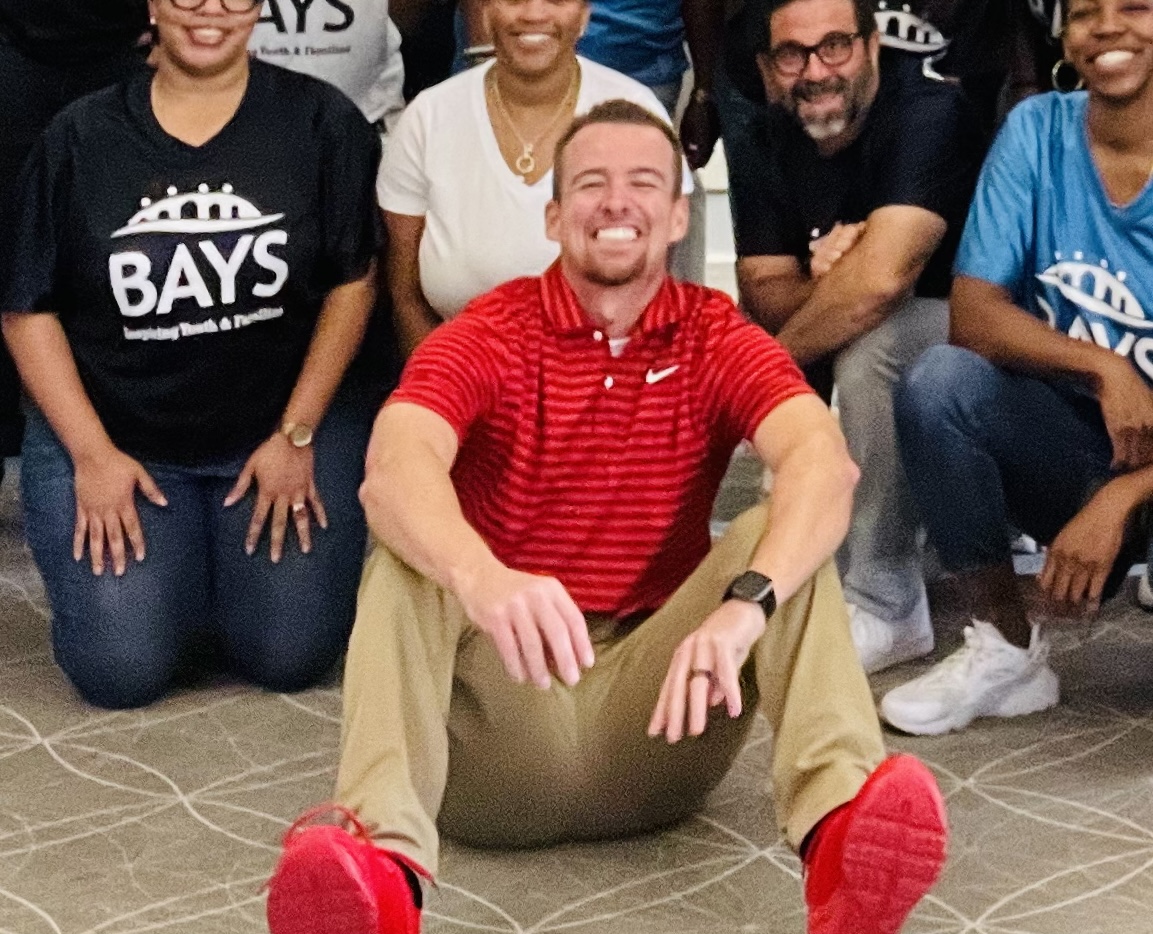
This photo captures a small piece of that energy.
A room full of professionals who chose to show up, participate, and grow together.

Final Thought
Communication is more than a skill.
It’s a leadership tool.
When we communicate with intention, we don’t just share information.
We influence how people think, feel, and act.
And sometimes, the right words at the right moment can change the trajectory of someone’s day, someone’s decision, or even someone’s life.
Disclaimer
The views expressed in this blog are solely those of the author and do not represent any other individual, organization, or company. This content is intended for general knowledge and to highlight tools, techniques, and ideas that inspire positive change. Readers are encouraged to explore the topics further and form their own conclusions.



Comments